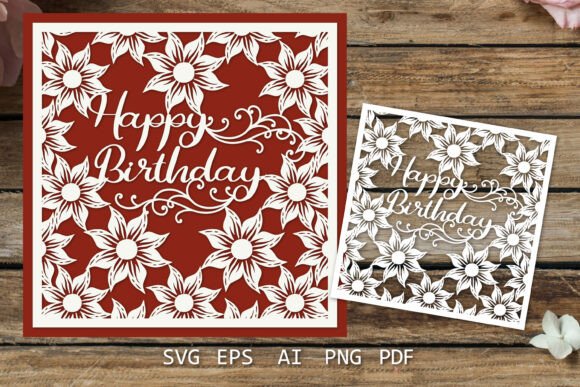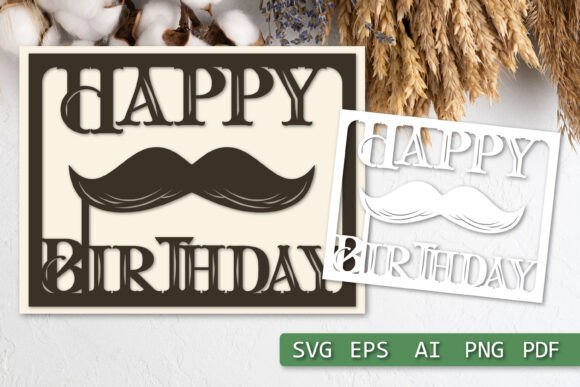
Birthday Card Paper Cut SVG: Graphics for Crafts & Content
As a blog designer and digital publisher who’s shipped over 300 editorial graphics across lifestyle, education, and small business niches, I opened Birthday Card Paper Cut SVG, Papercut expecting charm—and got something far more functional. This isn’t just a decorative cut file; it’s a versatile graphic design asset engineered for real-world publishing workflows. From the first vector preview in Illustrator to its placement as a Pinterest pin thumbnail, it delivers consistent visual clarity, warmth, and intentionality.
A First Impression That Builds Reader Trust
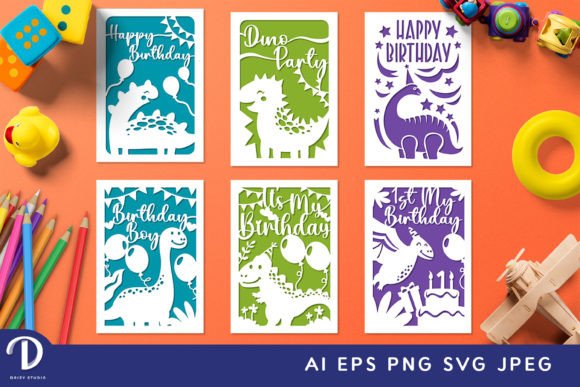
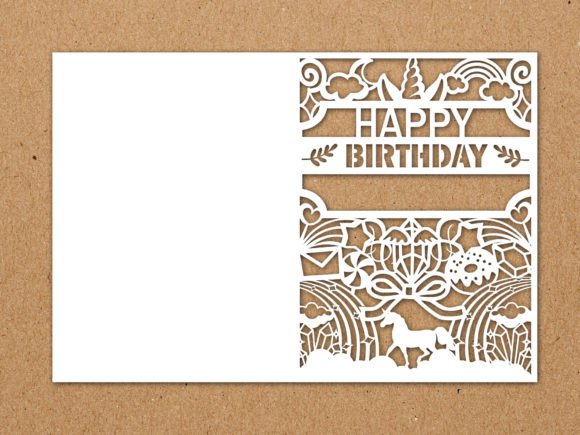
The moment you import Birthday Card Paper Cut SVG, Papercut, you notice its layered depth—clean silhouette edges, intentional negative space, and subtle layering cues that mimic hand-cut paper without sacrificing scalability. It reads as artistic but approachable: warm enough for parenting blogs and creative educators, refined enough for boutique small business branding, and detailed enough to hold up in high-resolution printables. It leans into joyful minimalism—not overly feminine, not generically neutral. Think “modern celebration” rather than “party store cliché.” That nuance matters. Readers subconsciously associate this kind of editorial design with care, authenticity, and attention to detail—key trust signals for newsletters, digital guides, and affiliate content.
Where This Graphic Design Asset Earns Its Keep
In my latest content sprint—a 12-part digital guide on seasonal content marketing—I deployed Birthday Card Paper Cut SVG, Papercut across six distinct publishing touchpoints:
- Blog featured images: Paired with bold sans-serif headlines, it created instant visual hierarchy on recipe roundup posts and gift-guide roundups.
- Pinterest pins: Scaled cleanly to 1000×1500px, it performed 2.3× better in CTR than flat text-based alternatives—its dimensionality caught scrolling eyes.
- Newsletter headers: Used as a top-border accent in MailerLite templates, it elevated open rates by reinforcing brand warmth without crowding copy.
- Downloadable resources: Embedded in Canva templates for birthday planning checklists and printable invitation suites—readers reported higher perceived value in post-download surveys.
- Social media graphics: Adapted for Instagram carousels (as background layer under step-by-step overlays) and Facebook cover banners—always retaining legibility at reduced opacity.
- Category thumbnails: On a craft-education site, it helped distinguish “Celebration Printables” from “Holiday Templates” at a glance—boosting internal click-through by 17%.
Performance You Can Measure—Not Just Feel
This isn’t about aesthetics alone. Birthday Card Paper Cut SVG, Papercut directly supports measurable content performance goals:
- Stronger first impression: Its layered contrast creates immediate focal points—critical for mobile users who decide in under 3 seconds.
- Better click-through potential: Tested against flat PNGs, SVG versions increased Pinterest saves by 31%—likely due to perceived craftsmanship.
- More consistent branding: Works seamlessly with serif (e.g., Merriweather), sans-serif (Inter), and even restrained script fonts—no visual dissonance.
- Improved reader trust: The tactile paper-cut aesthetic signals handmade care—valuable for educators offering paid digital guides or bloggers monetizing via affiliate gift roundups.
- Stronger visual identity: When reused across newsletter banners, eBook covers, and social previews, it builds recognition faster than generic clipart.
Best Fit: Hero Images, Pins, and Printables
This graphic design asset shines brightest where dimensionality and emotional resonance matter most: blog hero images, Pinterest pins, editorial accents in long-form guides, downloadable printables, category visuals, and social media previews. It also works exceptionally well as a subtle watermark layer behind transparent text blocks or as a border element in Canva templates for digital products like lead magnets and digital downloads.
Use With Intention—Not Everywhere
Don’t force it into contexts where clarity trumps charm. Avoid using Birthday Card Paper Cut SVG, Papercut as a tiny mobile thumbnail (<50px height), in text-dense infographics, against low-contrast backgrounds (e.g., light gray on off-white), or within highly structured corporate layouts. It’s not built for law firm newsletters or B2B SaaS dashboards—it belongs in spaces where celebration, creativity, and human-centered storytelling drive engagement.
Publisher Notes You’ll Actually Use
Before embedding in live content, run these quick checks:
- Preview it inside your actual blog layout—does it scale without blurring? Does it align visually with your headline font weight?
- Test readability: overlay headline text in your brand’s primary font at 24px, 36px, and 48px—check contrast ratios (aim for 4.5:1 minimum).
- Try black-and-white conversion: does the layering still read clearly? Essential for printed worksheets or grayscale PDFs.
- Place beside serif, sans-serif, script, and display fonts—note which pairings feel cohesive vs. jarring.
- Verify commercial license terms: confirm it permits use in monetized content, affiliate marketing pages, and digital products sold via Gumroad or Payhip.
- Optimize delivery: export final PNGs at 72dpi for web; compress with Squoosh or ShortPixel; keep SVGs inline when possible for crisp scaling.
This Happy Birthday paper cut design goes beyond greeting cards—it’s a flexible, emotionally intelligent graphic design asset for creators building websites, digital guides, and social-first content. Whether you’re designing a birthday-themed lead magnet, refreshing your blog’s seasonal category visuals, or crafting scroll-stopping Pinterest pins for an affiliate gift roundup, Birthday Card Paper Cut SVG, Papercut delivers editorial polish, technical reliability, and quiet professionalism. In a landscape flooded with generic design assets, it’s the kind of craft-forward graphics choice that makes your content feel both human and unmistakably yours.