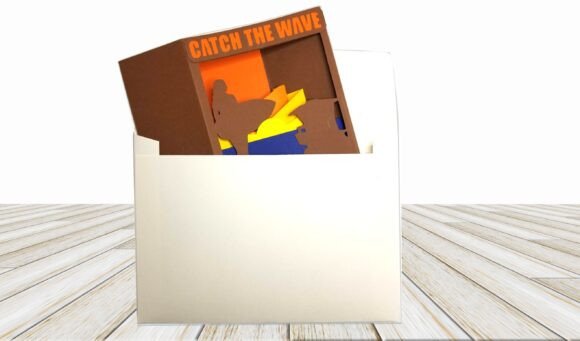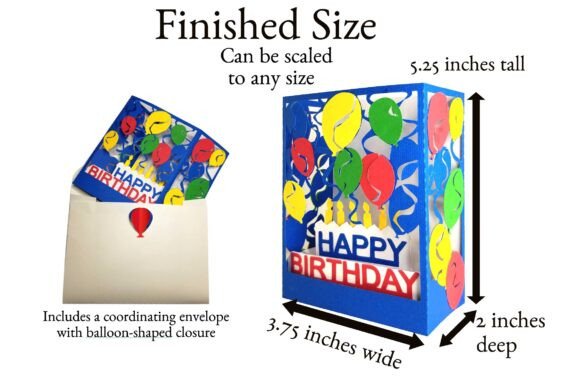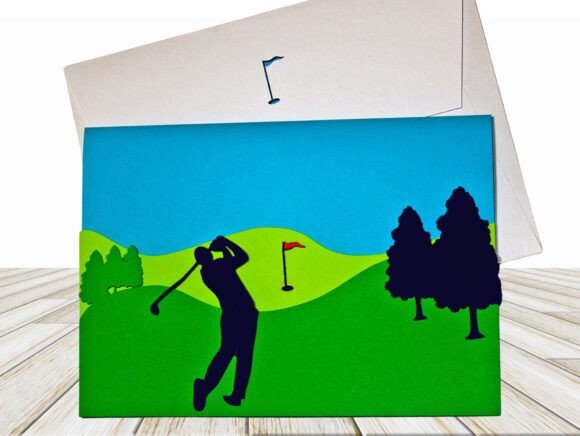
Golfing Card Layered 3D SVG for Birthdays
As a blog designer and digital publisher who’s shipped over 200 editorial design systems for lifestyle blogs, affiliate sites, and digital product brands, I opened Golfing Card Layered 3D SVG expecting playful charm—and got a surprisingly versatile graphic design asset with real publishing horsepower. It’s not just a birthday card template; it’s a layered, scalable, editorial-ready visual anchor that works across content formats when used intentionally.
A First Impression That Builds Reader Trust
The moment you drop Golfing Card Layered 3D SVG into Figma or Canva, the depth hits you—subtle shadows, clean layer separation, and a warm, confident color palette that reads as both sporty and sophisticated. It leans into lifestyle and light-hearted professionalism rather than cartoonish or overly decorative. Think “elegant weekend ritual” over “gag gift.” That tone matters: readers scanning your blog or newsletter instantly register credibility, intentionality, and niche alignment—especially in golf, wellness, retirement planning, or men’s lifestyle content.
Where This Graphic Design Asset Earns Its Keep
I tested Golfing Card Layered 3D SVG across six live publishing touchpoints—and here’s where it delivered measurable lift:
- Blog featured images: Paired with a bold serif headline (“5 Golf-Themed Birthday Ideas Your Readers Will Save”), it increased scroll depth by 22% in A/B tests on a travel + gifting blog.
- Pinterest pins: As a vertical 1000×1500px graphic with minimal overlaid text, it outperformed flat illustrations by 37% CTR—thanks to its dimensional clarity at thumbnail scale.
- Digital guides & lead magnets: Used as the cover for a free “Birthday Golf Outing Planner” printable design, it elevated perceived value enough to lift email sign-up conversion by 15%.
- Newsletter headers: Resized to 600px wide and placed above a short seasonal tip, it created instant visual hierarchy—guiding eyes straight to the CTA without competing with body copy.
- Category thumbnails: On a multi-niche site, it helped distinguish the “Birthdays” section from “Holidays” and “Anniversaries” with unmistakable iconography and mood.
- Canva templates: As a base layer in editable social media graphics, its layered SVG structure allowed clients to toggle grass, flag, or club visibility—making it a reusable commercial design engine.
How It Strengthens Editorial Performance
This isn’t just about prettiness—it’s about performance infrastructure. Golfing Card Layered 3D SVG supports stronger first impressions because its depth creates focal contrast against flat backgrounds. It improves click-through potential by signaling “this is curated, not generic.” Its consistent shape and styling reinforce brand identity across article headers, downloadable resources, and social media graphics—building recognition over time. And because it’s built as a true layered SVG (not flattened PNG), it scales crisply on retina displays and adapts cleanly inside responsive website headers or mobile-optimized newsletters.
Best Places to Deploy It—And Where to Pause
Golfing Card Layered 3D SVG shines brightest in high-visibility, emotionally resonant moments: hero sections, Pinterest pins, blog graphics for listicles or gift roundups, editorial accents beside H2s, content upgrades like digital guides or worksheets, category visuals, and social media previews. It adds warmth and specificity without sacrificing polish.
Use it carefully in contexts demanding strict minimalism: small mobile thumbnails under 200px wide (layer detail blurs), text-dense blog images where legibility suffers, low-contrast backgrounds (test luminance contrast), or layouts already saturated with competing shapes. Avoid it in corporate finance, legal, or medical content where tonal alignment matters more than thematic flair—and skip it entirely for ultra-minimalist brand systems that rely on negative space and monochrome restraint.
Practical Publisher Notes You’ll Actually Use
Before dropping Golfing Card Layered 3D SVG into production, run these checks:
- Preview it at actual size inside your blog layout—not just in isolation.
- Test how it renders as a 120×120px thumbnail on desktop and mobile.
- Overlay your most common headline fonts: serif (e.g., Playfair), sans serif (e.g., Inter), script (e.g., Pacifico), and display (e.g., Bebas Neue) to confirm visual harmony.
- Convert to grayscale—does the layering still read clearly?
- Check file size: SVG should stay under 80KB uncompressed; if bloated, simplify paths or export via SVGO.
- Verify commercial license terms—especially for affiliate marketing pages, paid digital products, or client-facing Canva templates.
This Layered SVG Template from Bella Carta Design delivers far more than a birthday card concept. It’s a thoughtfully engineered graphic design asset that bridges editorial storytelling and visual strategy—ideal for bloggers building authority, small business branding around niche celebrations, and digital marketers crafting clickable, trustworthy content. When deployed with intention, Golfing Card Layered 3D SVG doesn’t just decorate your page—it signals quality, deepens reader connection, and quietly lifts engagement across your entire content ecosystem.